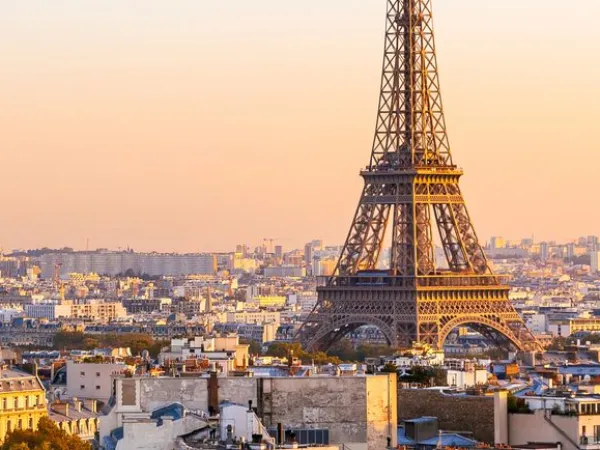
Parisian streets, usually bustling with vibrant nightlife and late-night strollers, fell into an eerie, monitored silence this week as authorities implemented strict overnight curfews. The drastic measure follows a weekend of unprecedented social unrest that officials have classified as the worst rioting France has witnessed in years, leaving behind a trail of destruction, thousands of arrests, and a deeply shaken political landscape.
A Weekend of Chaos and Destruction
The crisis erupted out of what initially began as widespread, multi-sector demonstrations. Student unions, teachers, parents, and labor organizations had organized protests across major French cities to voice mounting frustration over the spiraling cost of living, education funding cuts, and broader economic pressures. However, the demonstrations quickly deteriorated as fringe groups and highly mobile, radical elements hijacked the movement.
Dramatic scenes broadcasted globally captured the scale of the chaos. Entire city blocks were enveloped in thick plumes of smoke from burning barricades and vehicles, with striking visual media showing fires raging against the iconic backdrop of the Parisian skyline. Rioters targeted public infrastructure with ruthless precision, setting fire to municipal city halls, vandalizing police stations, and hurling heavy fireworks and petrol bombs at law enforcement officers.
Concurrently, commercial districts faced waves of opportunistic looting. Thousands of businesses, ranging from high-end storefronts to electronics and apparel shops, had their windows smashed and merchandise ransacked. Prosecutors confirmed that over 2,400 individuals had been taken into custody nationwide as police struggled to contain the fluid, fast-moving pockets of violence.
Government Response and Emergency Curfews
In response to the spiraling violence, Prime Minister Sébastien Lecornu convened an emergency cabinet session, candidly admitting that authorities had faced critical intelligence gaps and that security forces had temporarily lost control in major urban centers. Prime Minister Lecornu announced that partial, localized curfews would be immediately enacted to restore order.
Under the newly issued prefectural decrees, movement was strictly prohibited during overnight hours in designated flashpoints, focusing heavily around the historic Place de la République—where intense clashes occurred—and the heavily commercialized Les Halles shopping district. Similar localized restrictions and curfews for minors were swiftly adopted in other major cities, including Nice, Lille, and Lyon, as regional authorities scrambled to suppress further nighttime opportunistic violence.
While the government rejected immediate calls for a full national state of emergency, officials left the option open should civil disobedience persist. Meanwhile, President Emmanuel Macron resisted the resignation of Interior Minister Laurent Nuñez, directing him instead to drastically overhaul police tactics, improve intelligence-gathering coordination, and ensure absolute transparency regarding the security failures that allowed the protests to spiral out of control.
A Polycrisis Threatening the Nation
The dramatic unrest has laid bare a deeper, underlying "polycrisis" facing Gen-Z and working-class citizens in France, blending economic anxiety with deep-seated distrust of political institutions. Analysts note that the sheer velocity of the mobilization caught intelligence agencies flat-footed, exposing vulnerabilities in modern crowd control against decentralized groups.
As cleanup crews sweep up shattered glass and assess millions of euros in property damage, the implementation of curfews marks a tense turning point. Whether these emergency measures can permanently quell the anger—or if they will merely stoke further defiance ahead of planned autumn demonstrations—remains an open question for a nation desperately seeking stability.