The intersection of artificial intelligence and oncology has reached a fascinating new frontier. Researchers have unveiled a groundbreaking machine learning tool capable of estimating cancer survival probabilities and overall prognosis simply by analyzing a digital photograph—commonly known as a selfie.
The study, published by an international team of medical researchers and computer scientists, highlights how sophisticated facial feature analysis can extract hidden biomarkers that correlate with systemic health and disease progression.
How the Technology Works: Beyond the Surface
At first glance, using a smartphone selfie to predict cancer outcomes sounds like science fiction. However, the underlying science rests on advanced computer vision and deep learning algorithms trained on massive datasets of patient imagery and corresponding clinical records.
Human faces reflect internal physiological health in subtle ways. Factors such as skin micro-texture, facial fat distribution, asymmetry, pallor, and micro-expressions can serve as visible indicators of systemic inflammation, metabolic health, chronic fatigue, and general physical decline.
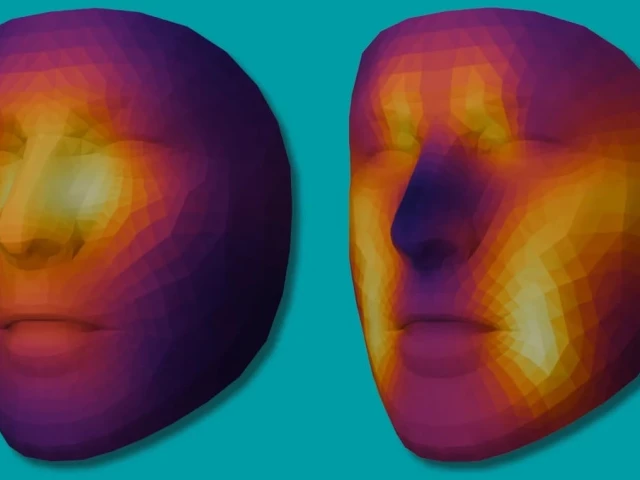
The AI model utilizes convolutional neural networks (CNNs) to map dozens of facial landmarks and pixel-level patterns that are entirely imperceptible to the human eye. By cross-referencing these visual markers with longitudinal health data, the algorithm can generate risk stratification scores, helping oncologists estimate survival probabilities with remarkable statistical accuracy.
Clinical Validation and Research Findings
To test the efficacy of the tool, researchers conducted retrospective studies involving thousands of cancer patients across various demographics and diagnostic categories.
The results, presented in leading medical journals, revealed that the AI model matched—and in some cases outperformed—traditional baseline prognostic tools that rely solely on standard clinical variables. While blood tests, genetic profiling, and imaging scans remain the gold standard for cancer diagnosis and staging, adding facial biomarker analysis provides an inexpensive, non-invasive complementary layer of insight.
Medical experts emphasize that the tool is not intended to replace formal diagnostic procedures or biopsies. Instead, it serves as a powerful adjunctive screening and prognostic instrument. It can help clinicians identify patients who may be at a higher risk of rapid decline, allowing medical teams to adjust palliative or active treatment strategies proactively.
Ethical and Privacy Considerations
Despite the technological marvel, the rollout of facial analysis tools in healthcare introduces complex ethical and privacy dilemmas.
Data Sensitivity: Facial images are unique biometric identifiers. Ensuring that patient selfies are encrypted, stored securely, and processed in compliance with strict medical data protection laws (such as HIPAA or GDPR) is paramount.
Algorithmic Bias: Machine learning models are only as good as the data they are trained on. Researchers stress the urgent need for diverse, global training datasets to ensure the AI performs equitably across different ethnicities, ages, and skin tones.
Psychological Impact: Receiving a prognostic prediction derived from a casual photograph could introduce significant psychological distress for patients, underscoring the necessity for compassionate, clinician-mediated communication.
The Future of AI-Driven Oncology
As artificial intelligence continues to mature, its integration into everyday clinical workflows promises to transform preventative medicine and personalized care. This latest study proves that our external appearance holds deeper physiological secrets than previously understood.
While clinical trials and regulatory reviews remain ahead before widespread commercial deployment, the ability to gauge critical health metrics from a simple photograph opens unprecedented avenues for telemedicine, remote patient monitoring, and rapid health assessments worldwide.