Public health authorities in Nigeria have officially confirmed the country’s first-ever case of the Ebola virus disease driven by the rare Bundibugyo strain. The detection has triggered immediate emergency responses across the country, reviving memories of past viral threats and putting national medical surveillance infrastructure on high alert.
Understanding the Detection and Patient Status
According to briefings released by the Nigeria Centre for Disease Control and Prevention (NCDC), the index case was identified following rigorous molecular testing. Officials revealed that the patient is a diplomat who traveled into the country via a flight from Uganda, where the virus had been active.
After beginning to display symptoms, the individual was transferred to a private healthcare facility. Due to the aggressive nature of the virus and the delay in initial containment, health officials disclosed that the patient's condition has rapidly deteriorated, progressing critically into multi-organ failure.
The Challenge of the Bundibugyo Strain
The specific classification of the pathogen is what makes this development particularly concerning for medical professionals. Unlike the more widely known Zaire ebolavirus strain—for which approved vaccines and specific therapeutics exist—the Bundibugyo strain (BDBV) poses unique challenges.
This is the exact same strain responsible for the severe and fast-moving epidemic that originated in the Democratic Republic of Congo (DRC) and subsequently spread across parts of Central and East Africa. Because existing commercial stockpiles of vaccines and targeted therapeutics were primarily engineered around the Zaire variant, medical countermeasures for the Bundibugyo strain remain limited and heavily reliant on experimental or supportive care pathways.
Swift Containment and Contact Tracing
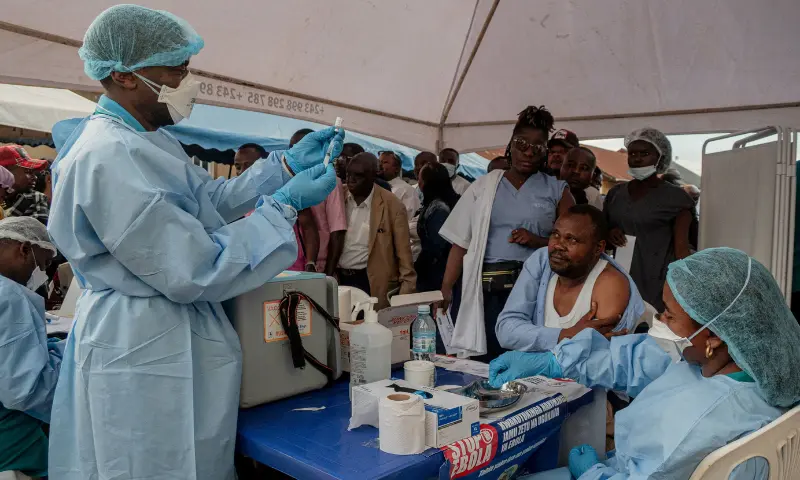
In response to the confirmed laboratory results, the NCDC, alongside international bodies like the World Health Organization (WHO), activated emergency containment protocols. Public health teams have swung into action to map out the patient’s movements since arrival.
Authorities have initiated rigorous tracking and monitoring protocols for dozens of close contacts—including medical personnel who handled the initial admission and travelers who shared transit corridors. Rapid-response teams are working around the clock to ensure that anyone potentially exposed is placed under immediate quarantine and observation before secondary transmission can take root.