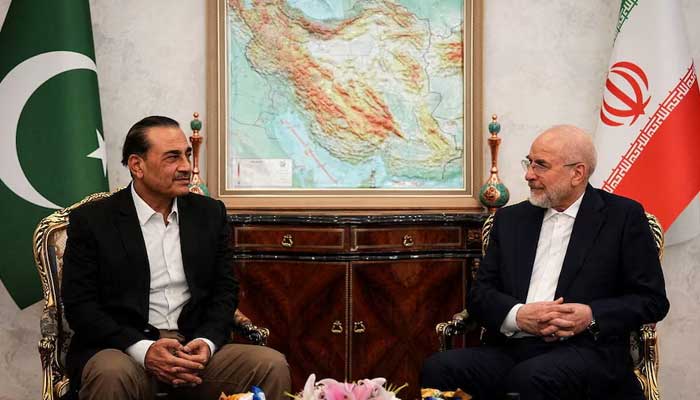
TEHRAN — Pakistan’s military leadership has stepped back onto the frontline of regional diplomacy, with Chief of Defence Forces (CDF) Field Marshal Asim Munir arriving in Tehran for high-level consultations. The visit comes at a critical juncture as regional stakeholders scramble to restart stalled diplomatic engagements and de-escalate lingering tensions between Washington and Tehran.
According to regional media reports and official confirmations, Field Marshal Munir’s trip centers primarily on bridging communication gaps that have left critical negotiations frozen. Islamabad has increasingly taken on a vital, quiet mediating role throughout the year, leveraging its unique geopolitical position to maintain open lines of dialogue between the United States and Iranian authorities.
Navigating Stalled Talks and Regional Security
The diplomatic push follows months of fragile maneuvering, during which international efforts have tried to cement lasting frameworks to prevent broader military flare-ups. Key areas of concern on the agenda include addressing the hurdles blocking comprehensive talks, ensuring regional stability, and reviewing proposals concerning vital commercial maritime corridors like the Strait of Hormuz.
Diplomatic analysts note that previous engagements led by Pakistan’s military chief earlier in the year focused heavily on avoiding miscalculations, reopening critical trade and energy chokepoints, and moving toward an expedited termination of active friction points. However, recent weeks have seen momentum stall, prompting Islamabad to dispatch its top general once more to sound out Iranian leadership and gauge pathways for renewed engagement.
A Delicate Balancing Act for Islamabad
For Pakistan, the diplomatic mission underscores a delicate balancing act. Islamabad maintains close strategic and defense arrangements with traditional allies in the Gulf, while simultaneously preserving cooperative, pragmatic ties with its immediate western neighbor, Iran.
By acting as an interlocutor, Pakistan hopes to prevent any sudden slide back into active confrontation—an outcome that would destabilize South and West Asia alike. Iranian officials are expected to present their updated positions and conditions during the meetings, which international observers hope will offer a roadmap to jumpstart the frozen peace process.
As discussions get underway in Tehran, the international community remains watchful. Whether Field Marshal Munir’s shuttle diplomacy can successfully inject new life into the moribund US-Iran talks will depend heavily on the flexibility shown by both Washington and Tehran in the coming days.