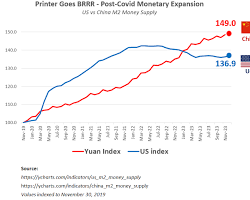
As international trade negotiations intensify, Beijing has firmly pushed back against mounting external pressure and allegations regarding its monetary policy. The People's Bank of China (PBOC) officially rejected claims that the yuan is undervalued, asserting unequivocally that the country has neither the desire nor the intent to engineer a currency depreciation for trade advantages. This robust defense comes amid growing scrutiny from Western economies and trade bodies regarding global trade imbalances and the competitiveness of Chinese exports.
The Core of the Dispute
The debate over the valuation of the yuan has resurfaced as a prominent point of contention in trade discussions, particularly with European Union officials. Critics have frequently argued that a suppressed currency artificially boosts Chinese exports, granting domestic manufacturers an unfair advantage in international markets.
However, Chinese monetary authorities and financial experts have dismissed these isolated model estimates. They emphasize that the exchange rate of the yuan is fundamentally driven by market supply and demand, alongside a complex array of domestic economic and financial factors. Beijing maintains that its export strength is a reflection of its deep-rooted industrial capability, robust supply chains, and manufacturing efficiency rather than deliberate currency manipulation.
Market Forces and Global Imbalances
The central bank stressed that exchange rates should be viewed through a comprehensive lens that accounts for broad macroeconomic realities rather than simplistic trade surplus metrics. Chinese officials have urged international partners to look closely at structural economic factors and cooperate genuinely to address global economic imbalances.
Economists point out that engineering an intentional devaluation would carry severe risks for China's domestic economy, including capital flight and imported inflation, making a weak-currency strategy counterproductive to Beijing's long-term financial stability goals.
Broader Implications for Global Trade
The ongoing friction highlights the delicate balance required as major global economies navigate post-pandemic recovery and trade friction. As trade talks progress, Beijing's firm stance signals that it will vigorously defend its monetary policy autonomy while continuing to advocate for open, rules-based international trade frameworks.
Ultimately, the dispute underscores the complex challenges facing global financial governance, where differing methodologies for assessing currency values continue to trigger intense geopolitical and economic debates.