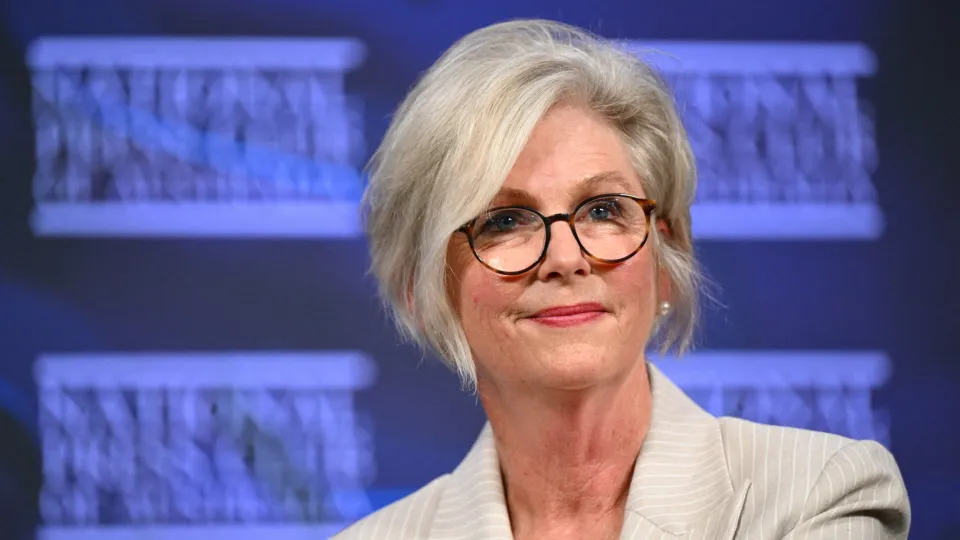
The announcement of the 2026 Nobel Peace Prize has sent ripples across the international diplomatic landscape, honoring a titan of human rights and international law: South African-born jurist Navanethem "Navi" Pillay. Recognized for her lifelong dedication to prosecuting war crimes, crimes against humanity, and genocide, Pillay’s prestigious accolade is being widely interpreted not just as a celebration of global justice, but as a sharp ideological rebuke to unilateralism, power politics, and notably, U.S. President Donald Trump.
A Lifetime on the Frontlines of International Law
Pillay’s illustrious career is a masterclass in judicial courage. Born in Durban, South Africa, during the oppressive apartheid era, she began her legal journey defending political dissidents and challenging systemic racial discrimination. Over the decades, her footprint on international jurisprudence expanded monumentally. She served with distinction as a judge on the International Criminal Tribunal for Rwanda—where her court famously pioneered the prosecution of sexual violence as an instrument of war—and later sat on the bench of the International Criminal Court (ICC) and the International Court of Justice (ICJ).
As the former United Nations High Commissioner for Human Rights and the chair of high-profile commissions investigating complex regional conflicts, Pillay has consistently championed the principle that no individual, regardless of how powerful, is above international humanitarian law.
The Clash Over Multilateralism and Accountability
The Norwegian Nobel Committee’s decision to honor Pillay arrives at a time when global judicial institutions are facing unprecedented hostility from populist leaders. President Trump, who has frequently expressed ambitions for the Nobel Peace Prize and openly criticized multilateral bodies, unleashed a sharp reaction following the announcement. Dismissing the selection at a political rally, Trump declared the Nobel Peace Prize "forever discredited," questioning the credentials of a lifelong human rights jurist while highlighting his own self-proclaimed diplomatic achievements.
Furthermore, Pillay’s decades-long alignment with international courts stands in direct opposition to the Trump administration’s aggressive stance against bodies like the ICC. The White House has previously targeted international judges and prosecutors with severe economic sanctions, urging member states to distance themselves from what it terms "rogue institutions." By elevating Pillay, the Nobel Committee has effectively issued a powerful defense of the rules-based international order, signaling that the protection of human rights and accountability must take precedence over raw political leverage.
Grace, Humor, and the Rule of Law
True to her composure under fire, Pillay responded to the political noise with characteristic wit. During an appearance in Nuremberg—the historic site of the post-WWII trials that laid the foundation for modern international law—she jokingly quipped to an applauding crowd that she might just "share this prize with Trump."
Beneath the humor, however, lies a profound message. Pillay’s recognition underscores a critical turning point for global governance. As the world grapples with persistent conflicts and a rising tide of authoritarianism, her Nobel Peace Prize serves as an enduring reminder that peace cannot exist without justice, and that international law remains humanity's strongest shield against the abuse of power.