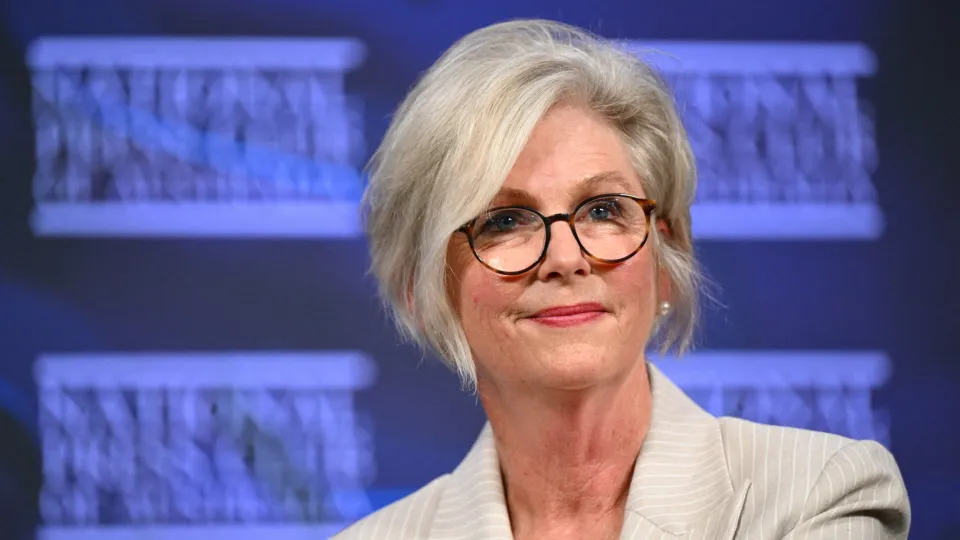
Renowned Pakistani actor and cultural voice Ayesha Omar has consistently used her platform to address critical social dilemmas, often steering public discourse toward areas that many prefer to sweep under the rug. By actively tackling deeply entrenched misconceptions about feminism and highlighting the alarming persistence of violence against women, Omar has emerged as a courageous advocate for structural and social change.
Demystifying Feminism
One of Omar’s core efforts has been to clear up the widespread confusion and deliberate distortion surrounding the word "feminism". In a society where the term is frequently mischaracterized as a radical Western import aimed at upending cultural values or fostering hatred toward men, Omar has firmly pushed back.
She clarifies that true feminism is not about hostility or superiority; rather, it is anchored in basic human rights, equity, and freedom of thought. Quoting resonant social commentary, she emphasizes a vital distinction: feminism does not hate men, but rather stands firmly against abusers, sexists, misogynists, and rapists. By stripping away the stigma, Omar advocates for a framework where women are simply granted equal opportunities, safety, and inclusion in decision-making processes without being demonized.
Confronting Violence and Victim-Blaming
Beyond ideological debates, Omar’s advocacy addresses a much more urgent, life-or-death reality: the safety and physical security of women. She has repeatedly called out the toxic culture of victim-blaming that follows reports of sexual assault and harassment.
Highlighting flawed societal reactions, Omar has critically questioned why the burden of prevention is relentlessly placed on women—scrutinizing their clothing, their curfews, or their presence in public spaces—instead of interrogating the perpetrators. Her commentary forces society to confront an uncomfortable truth: women navigate constant, underlying anxiety and fear in public spheres, often unable to walk freely, exercise basic autonomy, or access public spaces without the threat of harassment.
A Call for Collective Accountability
Ayesha Omar’s perspective serves as an essential reminder that protecting women cannot be achieved through victim-blaming or silence. By reframing feminism as a quest for basic human dignity and demanding accountability from those who commit violence, she challenges society to move past defensive denials. True progress, as her advocacy suggests, requires dismantling harmful mindsets and building a safer, more equitable world where justice prevails over fear.