Introduction
Pakistan’s economy remains an important subject of national discussion as the country continues working toward financial stability, stronger economic growth, increased investment, and improved living standards. Economic reforms have become a major priority for policymakers because Pakistan faces several long-standing challenges, including inflation, public debt, limited exports, energy-sector difficulties, unemployment, and pressure on household budgets.
In recent years, Pakistan has introduced various economic measures designed to improve government finances, strengthen revenue collection, encourage private investment, and stabilize the national economy. These efforts aim to create a more sustainable economic environment in which businesses can expand, industries can increase production, and citizens can access better employment opportunities.
Economic recovery, however, is not measured only by changes in financial indicators. It also depends on whether ordinary families experience improvements in their purchasing power, whether businesses can operate profitably, and whether young people can find meaningful employment. For this reason, Pakistan's economic reform agenda must balance financial stability with social development and opportunities for long-term growth.
The government's ongoing reform efforts, engagement with international financial institutions, and attention to investment and exports could help strengthen the country's economic foundations. Nevertheless, lasting progress will require consistent implementation, transparency, effective institutions, and policies that benefit different sections of society.
Understanding Pakistan’s Current Economic Situation
Pakistan has a large population, a significant agricultural sector, an established manufacturing base, and a growing technology industry. These resources provide considerable opportunities for economic development. At the same time, the country has struggled with recurring balance-of-payments pressures, insufficient tax collection, high debt-servicing costs, and dependence on imported energy.
When a country spends more foreign currency on imports and external payments than it earns through exports, remittances, and other inflows, pressure can build on its foreign exchange reserves. Pakistan has experienced this problem repeatedly, making economic stability a central concern for successive governments.
Fiscal challenges have also affected public spending. A substantial portion of government revenue is required to meet debt-servicing obligations, leaving fewer resources available for infrastructure, education, healthcare, and development projects. Expanding the tax base and improving public expenditure management are therefore important components of economic reform.
The broader objective is to establish an economy that can grow without repeatedly experiencing severe financial pressure. Achieving this goal requires more productive industries, competitive exports, better governance, improved skills, and greater confidence among domestic and international investors.
Government Efforts to Strengthen Economic Stability
Economic stabilization generally involves controlling inflationary pressures, managing public finances, maintaining adequate foreign exchange reserves, and reducing uncertainty in financial markets.
Pakistan has pursued several measures intended to improve these conditions. These include fiscal adjustments, changes in monetary policy, efforts to improve tax administration, and reforms aimed at reducing financial losses in public-sector institutions.
Fiscal policy concerns government revenue and expenditure, while monetary policy is primarily concerned with inflation, interest rates, and financial conditions. Both influence economic activity, but they must be coordinated carefully.
For example, excessive government borrowing can place pressure on interest rates and reduce the availability of financing for private businesses. Similarly, monetary conditions that remain too restrictive for too long can make borrowing expensive for manufacturers, exporters, and small enterprises.
Policymakers therefore face the challenge of maintaining stability while allowing productive economic activity to expand. The objective should be to create conditions in which businesses can invest confidently without creating new inflationary or financial imbalances.
Economic stability also requires predictable government policies. Sudden changes in taxation, import regulations, energy prices, or business requirements can discourage long-term investment. A transparent and consistent policy environment can help companies plan their operations and make better investment decisions.
Pakistan’s Engagement with the International Monetary Fund
Pakistan's engagement with the International Monetary Fund has remained an important part of its economic stabilization strategy. IMF programmes typically establish financial and policy conditions designed to support economic stability, improve fiscal management, and strengthen external financial positions.
Such programmes can provide financing that helps participating countries manage immediate external payment pressures. They can also encourage reforms in taxation, energy pricing, public spending, and state-owned enterprises.
However, international financing is not a complete solution to structural economic problems. Loans must eventually be repaid, and the long-term success of a programme depends on whether it helps establish a stronger and more productive economy.
Pakistan needs to use periods of financial stability to address the underlying causes of recurring economic crises. These include a narrow tax base, limited export diversification, dependence on imported energy, and insufficient productivity growth.
An effective reform strategy should also protect vulnerable households from the effects of economic adjustment. When taxes increase or energy prices rise, lower-income families can face considerable pressure because a large share of their income is spent on essential goods and services.
Targeted social assistance, improved public services, and transparent financial management can help reduce these difficulties while maintaining fiscal discipline.
Inflation and the Cost of Living
Inflation is one of the most important economic concerns for Pakistani households. When prices rise, families often need to spend more money on food, transportation, electricity, education, healthcare, and housing.
Even when the inflation rate decreases, prices do not necessarily return to their previous levels. A lower inflation rate means that prices are increasing more slowly, not that everyday goods have automatically become cheaper.
This distinction is particularly important for families whose incomes have not increased at the same pace as living costs. A household may continue experiencing financial difficulties even after inflation begins to moderate.
Food prices are especially significant because food represents a substantial portion of household spending. Agricultural production, weather conditions, transportation costs, storage facilities, market competition, and supply-chain efficiency can all influence food affordability.
Pakistan can address some of these pressures by improving agricultural productivity, reducing unnecessary intermediaries, investing in storage infrastructure, and strengthening market monitoring. Better transportation networks can also help farmers bring their products to markets more efficiently.
Energy prices represent another important factor. Electricity and fuel costs influence not only household budgets but also the prices charged by manufacturers, transport companies, retailers, and service providers.
Sustainable inflation management therefore requires more than monetary policy alone. It also depends on efficient supply chains, competitive markets, agricultural development, energy-sector improvements, and responsible public finances.
Tax Reforms and Government Revenue
Improving tax collection is essential for Pakistan's long-term economic stability. Governments require reliable revenue to finance infrastructure, education, healthcare, public administration, social protection, and other essential services.
When tax collection remains insufficient, governments may rely more heavily on borrowing or reduce important development expenditures. Both approaches can create difficulties if they continue over long periods.
One major challenge is the need to broaden the tax base. A fairer and more effective system should encourage compliance across different sectors rather than placing a disproportionate burden on people and businesses that already pay taxes regularly.
Digital tax administration can help improve transparency and reduce opportunities for evasion. Electronic invoicing, integrated records, risk-based audits, and simpler filing procedures can make compliance easier while helping authorities identify irregularities.
At the same time, tax policy should avoid creating unnecessary barriers for small businesses and new entrepreneurs. Complicated procedures can discourage formal registration and limit business expansion.
A more effective tax system should be understandable, predictable, and consistently enforced. Citizens are also more likely to support taxation when they can see that public revenue is being used responsibly and that government institutions are accountable.
Pakistan's long-term fiscal position would benefit from stronger compliance, more efficient spending, reduced waste, and a broader base of productive economic activity.
The Role of Small and Medium-Sized Enterprises
Small and medium-sized enterprises play an important role in Pakistan's economy. These businesses operate in retail, manufacturing, transportation, agriculture, food processing, information technology, construction, and many other industries.
They provide employment opportunities, support local markets, and help distribute economic activity beyond major commercial centres.
However, smaller businesses often struggle to obtain affordable financing. They may also face high electricity costs, complicated registration procedures, limited access to modern equipment, and difficulties reaching larger markets.
Improving access to finance can help these enterprises purchase machinery, expand production, train workers, and develop new products. Financial institutions can contribute by offering suitable lending products and evaluating businesses according to their actual commercial potential.
Digital tools can also make a meaningful difference. Online payments, inventory-management software, digital marketing, and e-commerce platforms allow small businesses to manage operations more efficiently and reach customers in different cities.
Government agencies can support these businesses by simplifying licensing requirements, providing practical training, improving access to business information, and encouraging formalization.
For long-term success, support programmes should be transparent and accessible to deserving applicants. Their effectiveness should be measured through business survival, employment creation, productivity improvements, and increased sales rather than announcements alone.
Exports and International Trade
Increasing exports is one of the most important steps Pakistan can take toward strengthening its economy. Export earnings bring foreign currency into the country and help reduce pressure on external payments.
Pakistan exports products and services in several areas, including textiles, clothing, rice, surgical instruments, sports goods, leather products, agricultural commodities, and information technology.
Despite these strengths, exporters face challenges related to productivity, energy costs, financing, logistics, product standards, and access to international markets.
Export diversification is particularly important. Depending heavily on a limited number of products can leave a country vulnerable to changes in global demand, commodity prices, and international competition.
Pakistan can expand its export base by encouraging higher-value manufacturing, improving product quality, developing new agricultural products, and supporting technology-based services.
For example, textile businesses can move toward more value-added products, while food-processing companies can develop products that meet international packaging and safety standards. Technology companies can explore software development, cybersecurity, cloud services, and business-process outsourcing.
Exporters also need reliable trade procedures and efficient transport infrastructure. Delays at ports, unpredictable regulations, and expensive logistics can make Pakistani products less competitive.
A coordinated export strategy should therefore combine investment, skills development, product innovation, trade facilitation, and stronger connections between local producers and international buyers.
Information Technology as a Driver of Economic Growth
Pakistan's information technology sector offers considerable opportunities for economic development. Digital services can be delivered to international customers without requiring the same physical infrastructure needed by many traditional industries.
Software development, web design, digital marketing, cloud computing, cybersecurity, data analysis, and business-process outsourcing can all contribute to export earnings and employment.
The sector is particularly relevant to young Pakistanis who want to develop professional skills and access international markets.
However, success requires more than basic computer literacy. Workers need practical experience, communication skills, problem-solving abilities, and an understanding of professional standards.
Educational institutions can help by introducing industry-relevant training, project-based learning, internships, and partnerships with technology companies.
Reliable internet access and affordable digital infrastructure are also essential. Freelancers and remote workers need stable connectivity, secure payment channels, and dependable access to the platforms through which they communicate with clients.
Pakistan can strengthen its technology exports by improving the business environment for technology companies and encouraging investment in innovation.
Digital payments, e-commerce, and online public services can also increase efficiency within the domestic economy.
Nevertheless, digital development must include data protection, cybersecurity awareness, responsible technology use, and equal opportunities for people in smaller cities and rural areas.
Agriculture and Food Security
Agriculture remains a major part of Pakistan's economy. It provides livelihoods for millions of people, supplies raw materials to several industries, and contributes to domestic food availability and export earnings.
The sector includes crops, livestock, fisheries, and related activities. Its performance affects rural employment, food prices, industrial production, and overall economic growth.
Farmers face several challenges, including changing weather patterns, water shortages, rising input costs, limited access to modern equipment, and difficulties obtaining reliable market information.
Improving agricultural productivity requires investment in irrigation efficiency, research, improved seed varieties, soil management, storage, and transportation.
Modern farming techniques can help farmers use water and other resources more efficiently. Digital advisory services can also provide information about weather, crop management, market prices, and disease prevention.
Livestock development and food processing offer additional opportunities. Better cold-storage facilities and processing plants can reduce waste, improve product quality, and help agricultural businesses reach larger markets.
The government can contribute by supporting agricultural research, improving rural infrastructure, facilitating access to finance, and ensuring that farmers receive transparent information about available programmes.
Agricultural reforms should also recognize the importance of small farmers, who may lack the financial resources needed to adopt modern techniques independently.
A stronger agricultural sector can improve food security, support rural incomes, and reduce pressure on the country's import bill.
Energy Reforms and Industrial Competitiveness
Pakistan's energy sector has a direct influence on economic growth. Electricity and fuel are essential for factories, farms, transport networks, hospitals, schools, and households.
When energy becomes expensive or unreliable, businesses may reduce production, postpone investment, or struggle to compete with foreign manufacturers.
Pakistan has faced several interconnected energy challenges, including high generation costs, capacity-payment obligations, distribution losses, unpaid bills, and circular debt.
Circular debt develops when unpaid obligations accumulate across the energy supply chain. These financial pressures can affect fuel suppliers, power producers, distribution companies, and the wider public sector.
Addressing the problem requires better billing and collection, improved transmission and distribution systems, transparent contracts, and effective management of public-sector energy companies.
Renewable energy can also contribute to a more diversified energy system. Solar and wind power may help reduce dependence on imported fuels, although their successful integration requires appropriate grid infrastructure, planning, and energy-storage or balancing arrangements.
Industrial energy policy should encourage efficiency without creating unpredictable costs for businesses and consumers.
Long-term reforms must balance financial sustainability, reliable supply, environmental considerations, and affordability for vulnerable households.
Foreign Investment and Business Confidence
Foreign direct investment can contribute to economic development by bringing capital, technology, management expertise, and access to international markets.
International companies may invest in manufacturing, telecommunications, energy, agriculture, logistics, financial services, and technology when they believe that a country offers attractive long-term opportunities.
Pakistan has several potential advantages, including a large domestic market, a young population, an established industrial base, and access to important regional trade routes.
However, investors also evaluate political stability, taxation, contract enforcement, currency conditions, infrastructure, and the predictability of government decisions.
Frequent policy changes can increase uncertainty and make long-term projects more difficult to plan. Complicated approvals and inconsistent regulations may also discourage investors who have alternative destinations for their capital.
Improving the investment environment requires clear rules, efficient public services, transparent procurement, and dependable legal institutions.
Investment promotion should focus on projects that create lasting economic value. These include initiatives that develop local supply chains, transfer useful skills, increase exports, and create quality employment.
Domestic investment deserves equal attention. Pakistani entrepreneurs and companies are more likely to expand when they have confidence in economic policies and access to reliable infrastructure and financing.
A stable and competitive business environment can help both domestic and international investors contribute to sustainable growth.
Employment Opportunities for Young People
Youth employment is one of Pakistan's most important economic priorities. A large young population can become a major advantage if people have access to education, professional training, and productive work.
However, when young people cannot find suitable employment, households face financial pressure and the economy loses valuable human potential.
Traditional employment opportunities remain important in manufacturing, construction, healthcare, education, agriculture, transportation, and public services.
At the same time, technology and changing business models are creating demand for new skills.
Vocational training can help young people prepare for technical occupations, while professional courses can develop abilities in accounting, digital marketing, programming, design, customer service, and business management.
Educational institutions should also encourage communication, teamwork, critical thinking, and practical problem-solving.
Entrepreneurship provides another possible route to employment. Small businesses can create work for their owners and other people, but entrepreneurs need realistic business plans, market knowledge, financial discipline, and access to appropriate support.
Internships and apprenticeships can help bridge the gap between classroom learning and workplace expectations.
For Pakistan, the goal should not simply be to increase the number of training programmes. It should be to ensure that those programmes teach useful skills that match actual market demand.
Education and Human Capital Development
A country's economic performance depends significantly on the knowledge, health, and capabilities of its population.
Education improves productivity by helping people acquire the skills needed to participate in modern industries and adapt to technological change.
Pakistan continues to face challenges involving educational access, learning quality, teacher training, school facilities, and differences between urban and rural opportunities.
Improving education requires sustained investment rather than short-term initiatives alone.
Schools need qualified teachers, suitable learning materials, safe classrooms, and effective assessment systems. Students also need opportunities to develop digital literacy and practical skills.
Higher education institutions can contribute through research, entrepreneurship programmes, industry partnerships, and professional training.
Technical and vocational education should receive particular attention because many industries require specialized practical skills.
Education reforms must also address barriers that prevent disadvantaged children from attending school regularly. Financial difficulties, transportation, inadequate facilities, and limited access to learning resources can all affect educational participation.
A stronger education system can improve employment prospects, support innovation, and increase the productivity of the national workforce.
Over time, investment in human capital can help Pakistan move toward higher-value economic activities and reduce dependence on low-productivity employment.
Infrastructure and the Role of CPEC
Infrastructure investment is essential for connecting businesses, markets, farms, and communities.
Roads, railways, ports, electricity networks, telecommunications, and logistics facilities influence the cost and efficiency of economic activity.
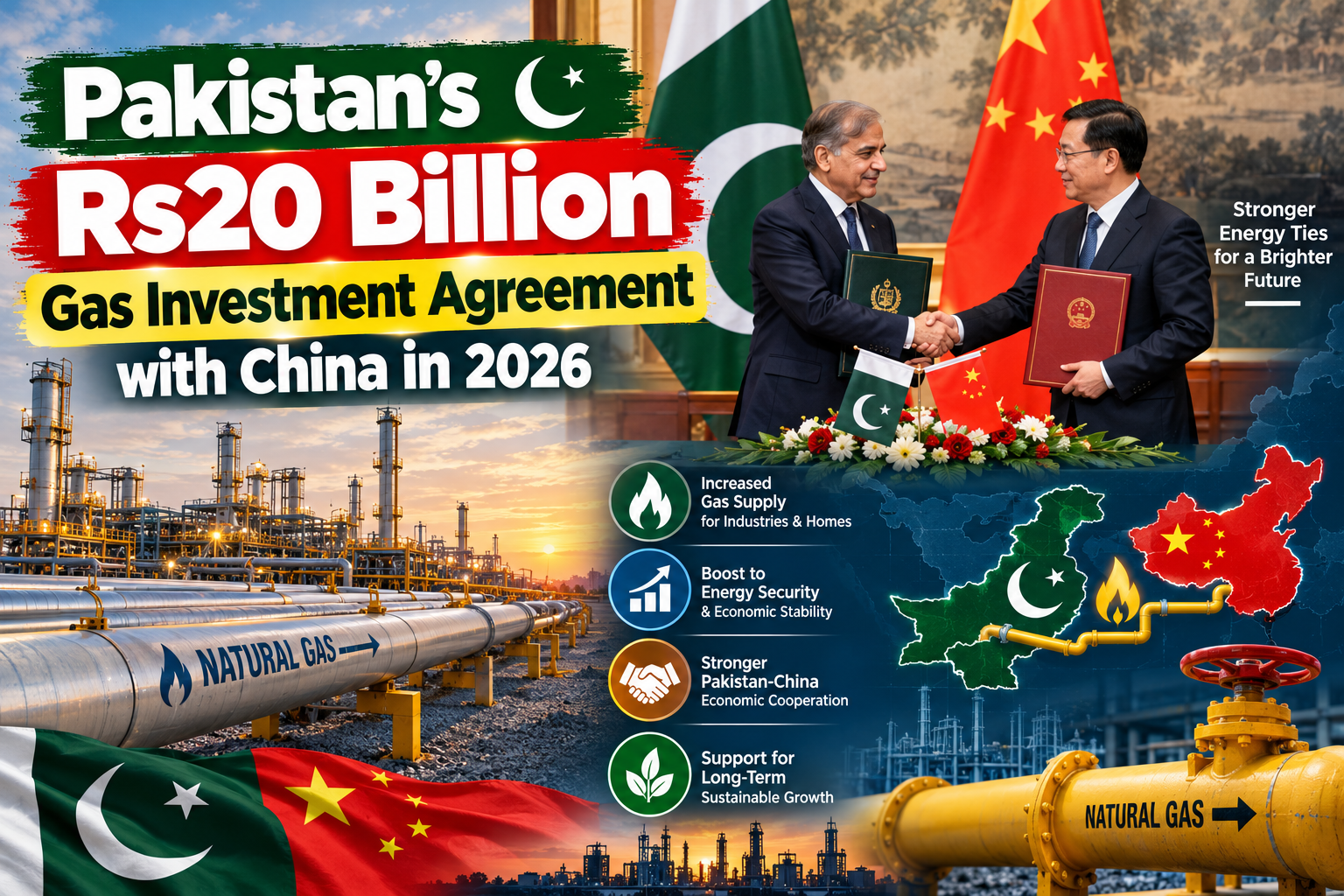
The China-Pakistan Economic Corridor, commonly known as CPEC, has been an important component of Pakistan's infrastructure and economic cooperation agenda with China.
CPEC-related initiatives have included transport infrastructure, energy projects, and efforts to strengthen connectivity.
Such projects can support economic development when they improve productivity, reduce transportation costs, and encourage productive investment.
However, infrastructure projects must be assessed carefully. Their economic benefits depend on project costs, financing arrangements, maintenance requirements, environmental impacts, and the demand for the services they provide.
Improved connectivity alone cannot guarantee economic growth. Businesses also need reliable electricity, skilled workers, access to finance, efficient customs procedures, and stable regulations.
Pakistan can increase the value of infrastructure investment by developing industrial zones, supporting local suppliers, improving logistics services, and connecting smaller businesses to larger markets.
Transparent project evaluation and effective implementation are important for ensuring that public resources and borrowed funds produce lasting benefits.
Supporting Women in the Economy
Women's participation in economic activity is another important area for Pakistan's development.
Women contribute to education, healthcare, agriculture, entrepreneurship, technology, professional services, and household enterprises. However, many face barriers related to mobility, workplace safety, access to finance, professional networks, and educational opportunities.
Reducing these barriers can help more women participate in productive economic activity.
Businesses can support participation through fair recruitment, safe workplaces, professional development, and policies that help employees balance work and family responsibilities.
Digital platforms may also create opportunities for women to provide services, sell products, and work with customers outside their immediate communities.
Nevertheless, digital employment requires reliable connectivity, suitable skills, secure payment arrangements, and protection against online fraud.
Financial institutions can contribute by improving access to appropriate financial services and business guidance for women entrepreneurs.
Government programmes and educational institutions should focus on measurable outcomes, including business growth, skills development, access to markets, and sustainable employment.
Greater economic participation can strengthen household incomes, increase the productive workforce, and support broader national development.
Poverty Reduction and Social Protection
Economic recovery is more meaningful when its benefits reach low-income households.
Families experiencing poverty often spend most of their income on necessities, leaving limited resources for education, healthcare, savings, or business investment.
Higher food and energy costs can therefore have a disproportionate impact on vulnerable communities.
Social protection programmes can help households manage temporary financial difficulties and maintain access to essential services.
Pakistan's Benazir Income Support Programme is an important example of a government initiative designed to provide assistance to eligible low-income families.
The effectiveness of social protection depends on accurate beneficiary identification, transparent administration, timely payments, and accessible complaint mechanisms.
Targeted support can help protect vulnerable households while allowing governments to manage public spending more efficiently than through some broad-based subsidies.
However, social assistance should work alongside policies that expand economic opportunities.
Better education, healthcare, skills training, rural infrastructure, and access to productive employment can help families improve their financial circumstances over time.
Poverty reduction therefore requires a combination of immediate protection and long-term economic development.
The Importance of Political and Policy Stability
Economic development requires a predictable environment in which businesses, households, and investors can make long-term decisions.
When important policies change frequently, companies may delay investment because they cannot confidently estimate future costs and returns.
Policy stability does not mean that governments should never change their decisions. Instead, changes should be based on clear objectives, reliable evidence, consultation, and transparent communication.
Strong institutions can help maintain continuity across political transitions.
Independent and effective regulatory systems, reliable courts, transparent public procurement, and consistent enforcement of contracts can increase confidence in the economy.
Public accountability also matters because citizens need confidence that public funds are being used for their intended purposes.
Economic reforms are more likely to succeed when the government explains their objectives and openly communicates both expected benefits and possible difficulties.
Cooperation between federal and provincial governments is also important in areas such as taxation, education, healthcare, agriculture, energy, and infrastructure.
A coordinated approach can reduce duplication, improve implementation, and help businesses operate under clearer rules.
Climate Change and Economic Resilience
Climate change presents additional economic risks for Pakistan.
Floods, extreme heat, irregular rainfall, and other weather-related events can damage infrastructure, disrupt agricultural production, and increase the financial pressure on affected households.
Agriculture is particularly vulnerable because crop yields depend on water availability, temperature, soil conditions, and seasonal patterns.
Climate-related disasters can also damage roads, schools, hospitals, homes, and power infrastructure. Rebuilding these assets requires substantial financial resources.
Pakistan can strengthen economic resilience through improved disaster preparedness, climate-sensitive infrastructure, efficient irrigation, better forecasting, and stronger emergency-response systems.
Agricultural adaptation may include more efficient water management, suitable crop varieties, improved soil practices, and access to timely weather information.
Urban planning is also important because poorly designed drainage systems and unplanned development can increase the effects of heavy rainfall.
Climate resilience should be integrated into public investment decisions so that infrastructure is designed to withstand foreseeable risks.
International climate finance and technical cooperation may support these efforts, but domestic planning and effective project management remain essential.
Protecting the environment and preparing for climate risks can help reduce future economic losses and support more stable development.
Challenges That Could Slow Economic Recovery
Despite the opportunities available, Pakistan's economic recovery faces several risks.
First, global economic uncertainty can affect export demand, international financing, and investment decisions.
Second, higher international oil prices can increase import costs and place pressure on transportation, electricity generation, and industrial production.
Third, public debt and debt-servicing obligations can limit the resources available for development spending.
Fourth, weak productivity can prevent businesses from competing effectively in international markets.
Fifth, administrative inefficiencies and unpredictable regulations can discourage investment and reduce the effectiveness of government programmes.
Climate-related disasters and regional disruptions may create further difficulties.
Addressing these risks requires careful economic management and consistent implementation of structural reforms.
Policymakers should avoid relying exclusively on short-term financial assistance or temporary measures. Instead, they need to strengthen the institutions and productive sectors that generate sustainable income.
Businesses can contribute by improving efficiency, investing in technology, developing workers' skills, and exploring new markets.
Citizens can benefit from improved access to education, financial literacy, and opportunities to participate in formal economic activity.
The combined effect of these measures can make the economy more resilient to future shocks.
What Pakistan Needs for Sustainable Economic Growth
Pakistan's long-term development strategy should focus on several connected priorities.
First, increase productivity. Businesses need modern equipment, reliable infrastructure, skilled workers, and access to finance to produce more value from available resources.
Second, diversify exports. Expanding technology services, higher-value manufacturing, processed agricultural products, and other competitive industries can help increase foreign exchange earnings.
Third, improve public finances. A broader tax base, better compliance, transparent spending, and stronger public institutions can reduce recurring financial pressures.
Fourth, invest in people. Education, healthcare, vocational training, and professional development can strengthen the workforce and improve household opportunities.
Fifth, support entrepreneurship. Simpler regulations, suitable financing, digital infrastructure, and fair market access can help businesses establish themselves and expand.
Sixth, strengthen energy security. Better energy-sector governance, efficiency, infrastructure, and responsible diversification can improve reliability and competitiveness.
Seventh, protect vulnerable households. Targeted social protection and better public services can help ensure that economic adjustments do not leave disadvantaged families without essential support.
Finally, maintain policy consistency. Predictable regulations and effective institutions can encourage investment and make long-term planning easier.
These priorities are interconnected. For example, better education can increase productivity, which can improve export competitiveness and generate more tax revenue. That additional revenue can then support public services and infrastructure.
Sustainable economic growth therefore depends on coordinated policies rather than isolated initiatives.
Conclusion
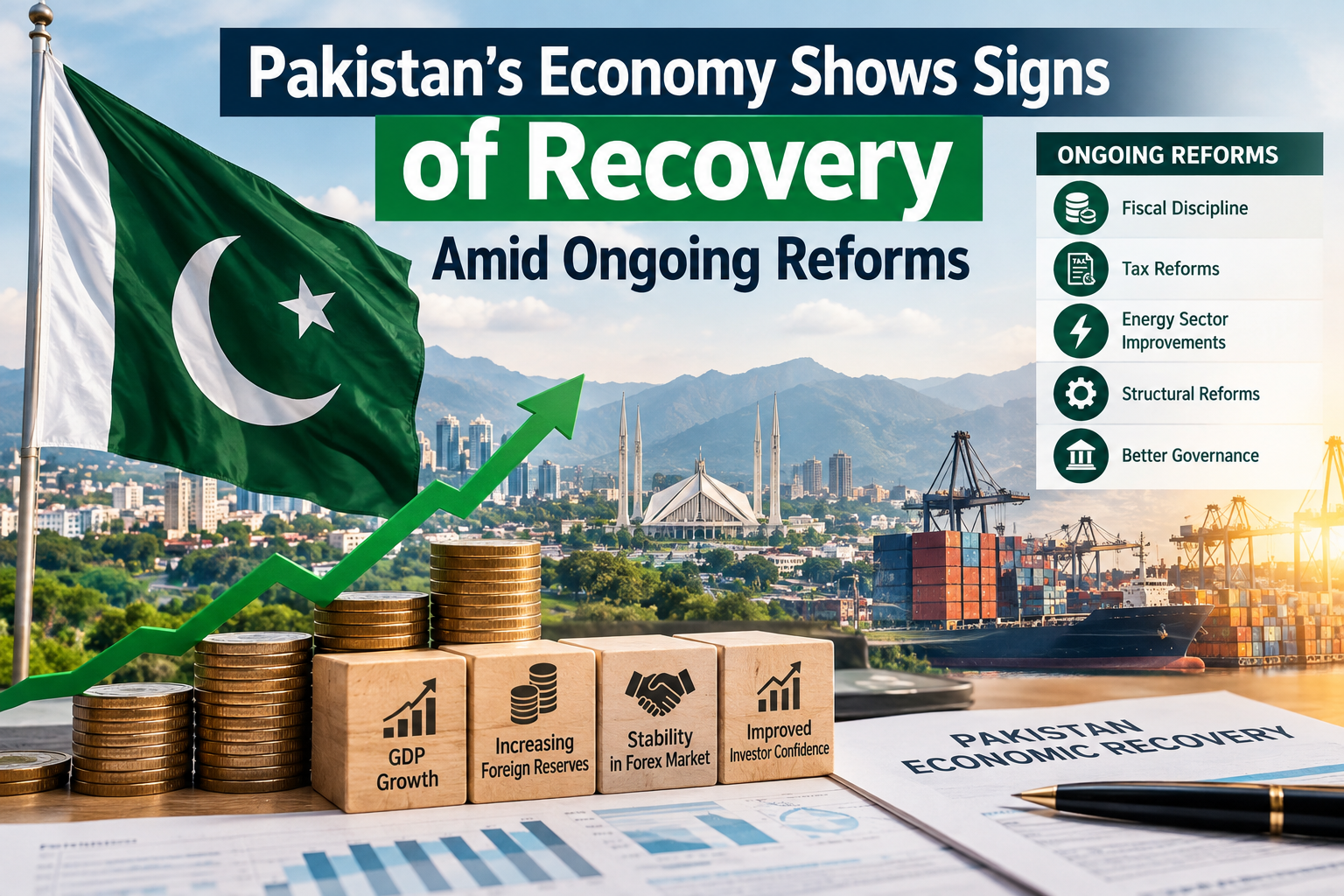
Pakistan's economy has opportunities for recovery and long-term development, but achieving lasting progress will require consistent reforms and a stronger productive base. Improvements in financial stability can create a useful foundation, yet they must be accompanied by higher productivity, competitive exports, effective taxation, reliable energy, and better employment opportunities.
The government has an important responsibility to establish predictable policies, strengthen institutions, manage public finances responsibly, and create an environment in which businesses can invest and grow. The private sector can contribute through innovation, improved production, worker training, and expansion into international markets.
Education, digital technology, agriculture, infrastructure, and women's economic participation can all play important roles in building a more diversified economy. At the same time, social protection and climate resilience are necessary to ensure that development remains inclusive and sustainable.
Pakistan's economic future will ultimately depend on whether reforms produce practical improvements in people's lives. Stronger businesses, more productive workers, better public services, and stable household incomes would provide meaningful evidence of progress.
With consistent implementation, transparent governance, and a long-term commitment to economic development, Pakistan can work toward a more resilient economy that creates opportunities for businesses, supports young people, and improves living standards across the country.
Frequently Asked Questions (FAQs)
1. What are the main goals of Pakistan's economic reforms?
The main goals include improving financial stability, increasing government revenue, controlling inflation, strengthening exports, encouraging investment, and creating sustainable employment opportunities.
2. What are the biggest challenges facing Pakistan's economy?
Major challenges include public debt, high energy costs, inflationary pressures, limited export diversification, unemployment, low productivity, and climate-related economic risks.
3. How can Pakistan increase its exports?
Pakistan can increase exports by improving product quality, expanding technology services, investing in modern manufacturing, diversifying agricultural products, and making trade procedures more efficient.
4. How can economic reforms benefit ordinary citizens?
Effective reforms can support employment, improve public services, strengthen business activity, increase economic opportunities, and create conditions for more stable household incomes.
5. What is needed for Pakistan's long-term economic growth?
Long-term growth requires consistent policies, stronger institutions, quality education, productive investment, reliable energy, export diversification, improved governance, and effective support for vulnerable households.